
BEYOND THE NUMBERS
Rational Thinking Trumps Anti-Tax Sentiment in North Dakota
North Dakota voters made the right choice in yesterday’s election in voting down — by a margin of 3-to-1 — a constitutional ban on local property taxes. This was an election with national significance: North Dakota would have been the first state ever to enact such a ban.
Proponents claimed that the ballot question, known as Measure 2, would create so much new economic activity in North Dakota that it would pay for itself by rapidly increasing sales and income tax revenues. This is a fantasy. There is simply no credible reason to think that property tax cuts ever pay for themselves, and backers of the North Dakota measure offered no evidence in this case.
In truth, there is no free lunch. Big tax cuts have to be paid for with big spending cuts, other big tax increases, or both. And these actions slow economic activity, offsetting the economic value of the original tax cuts.
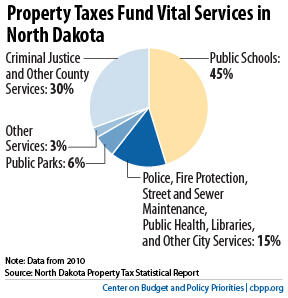
North Dakota is to some extent a special case because state revenues have been growing rapidly, thanks to a surge in oil production. But, as we detailed in a recent analysis, using volatile oil revenues to replace much more stable property taxes would have been highly imprudent and would have wasted the historic opportunity created by the oil boom on a strategy with little benefit to future generations of North Dakotans.
It’s notable that even in a state flush with cash, voters understood the danger in eliminating a key revenue source. Measure 2’s failure will protect North Dakota’s future and make clear to policymakers in other states considering big tax breaks that voters aren’t buying overblown promises.